
Tutorials
Reducing Fuel Consumption Through Precision Land Leveling: Improving Agricultural Machinery Efficiency
Reducing Fuel Consumption Through Precision Land Leveling: A Smart Solution for Improving Agricultural Machinery Efficiency
One of the major factors affecting agricultural production costs is fuel consumption during land preparation and leveling operations. Uneven field surfaces and elevation differences across agricultural land force machinery to spend more time and energy achieving the desired ground level. This not only increases fuel consumption but also leads to greater equipment wear and higher maintenance costs.
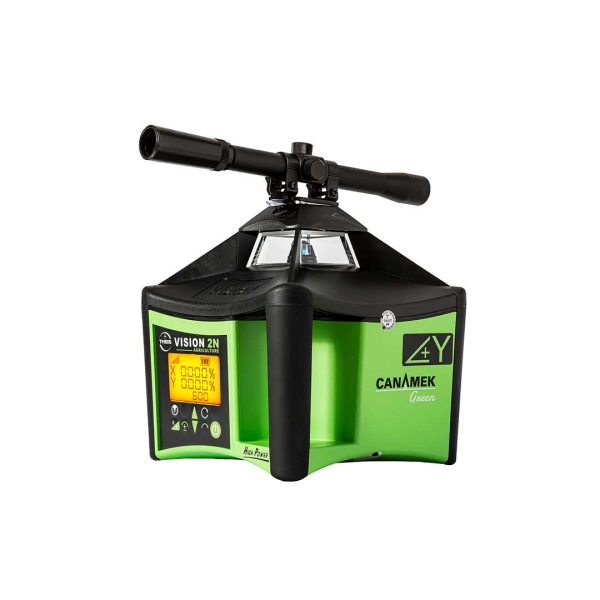
Laser and satellite-based land leveling control systems provide an effective solution for managing earthmoving operations with greater precision. By accurately controlling the blade height and slope of the land leveler, these technologies help reduce unnecessary machinery passes and optimize fuel consumption.
- How Uneven Land Increases Fuel Consumption
When agricultural land contains multiple high and low spots, tractors and leveling equipment often need to repeat operations across different sections of the field to achieve the required elevation and slope.
This can lead to several problems:
Increased numbers of machinery passes across the field
Longer engine operating hours and higher fuel consumption
Greater workload on engines, transmission systems, and equipment
Unnecessary excavation and movement of additional soil
Higher labor and machinery maintenance costs
Therefore, managing elevation differences and avoiding repeated operations are essential for reducing land preparation costs.
- How Laser and Satellite Land Leveling Systems Reduce Fuel Consumption
Smart land leveling control systems use laser technology or Global Navigation Satellite Systems (GNSS) to accurately control ground elevation and slope.
In conventional leveling methods, operators largely rely on experience and visual estimation. However, smart leveling systems provide accurate elevation information, allowing the control system to automatically adjust the land leveler blade according to the required ground profile.
These technologies can provide several benefits:
Reducing unnecessary tractor passes
Preventing excessive cutting and filling of soil
Shortening the time required to complete leveling operations
Reducing workload on engines and machinery
Optimizing fuel consumption throughout the operation
As a result, agricultural machinery can achieve the desired ground elevation and slope with fewer repeated passes and more efficient operation.
- The Relationship Between Leveling Accuracy and Lower Agricultural Costs
Precision land leveling is not simply about creating a flat soil surface. It is an important part of managing agricultural resources and reducing production costs.
When a field is leveled accurately with the appropriate elevation and slope, subsequent agricultural operations can also be carried out more efficiently.
For example, in fields using surface irrigation systems, uniform elevation and slope can improve water distribution, reduce runoff, and help prevent water accumulation in unsuitable areas.
Furthermore, reducing repeated machinery operations means saving time and fuel while lowering equipment wear and maintenance expenses. Therefore, precision leveling technologies can contribute to the long-term economic efficiency of agricultural operations.
- The Role of Rassam GPS in Fuel Efficiency and Smart Agriculture
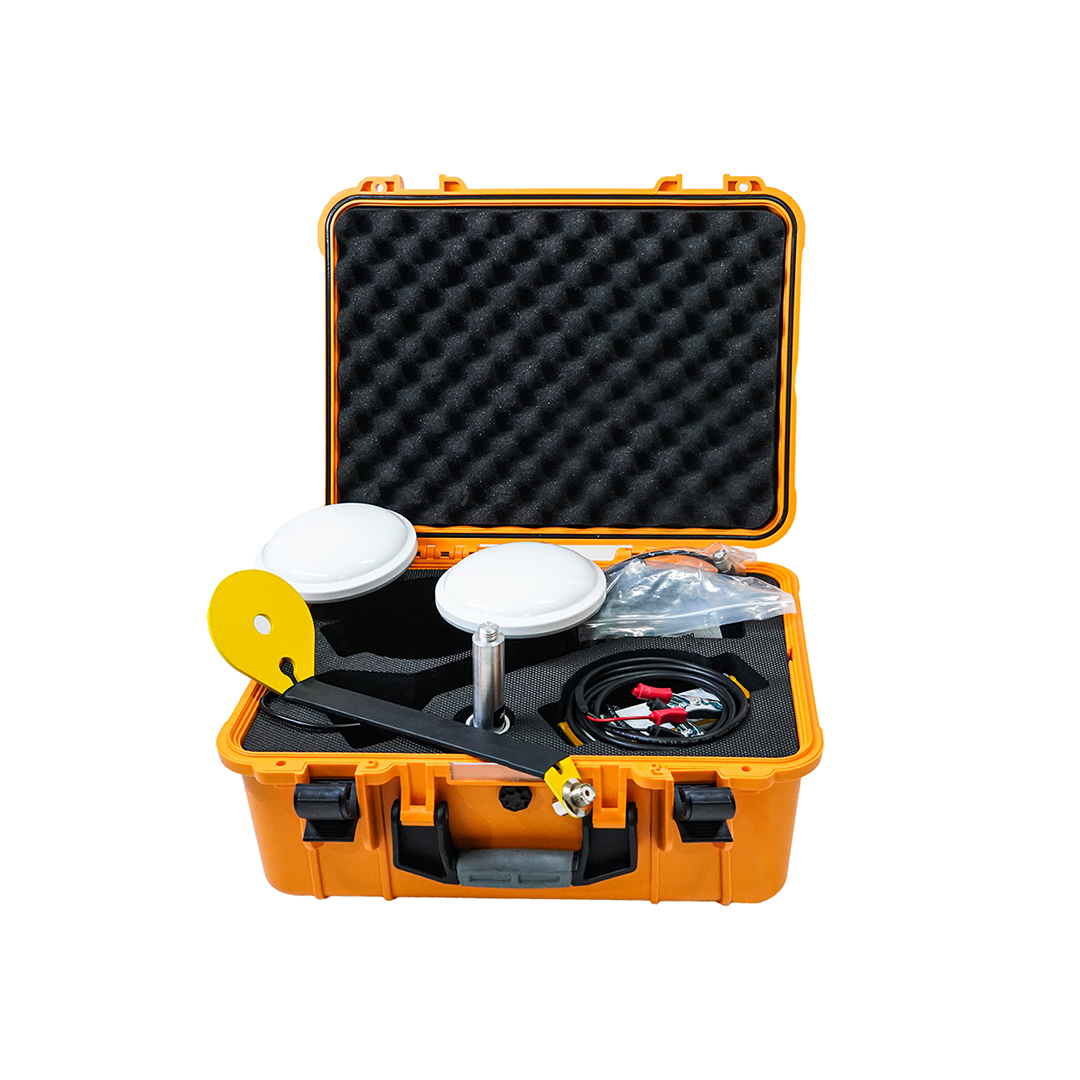
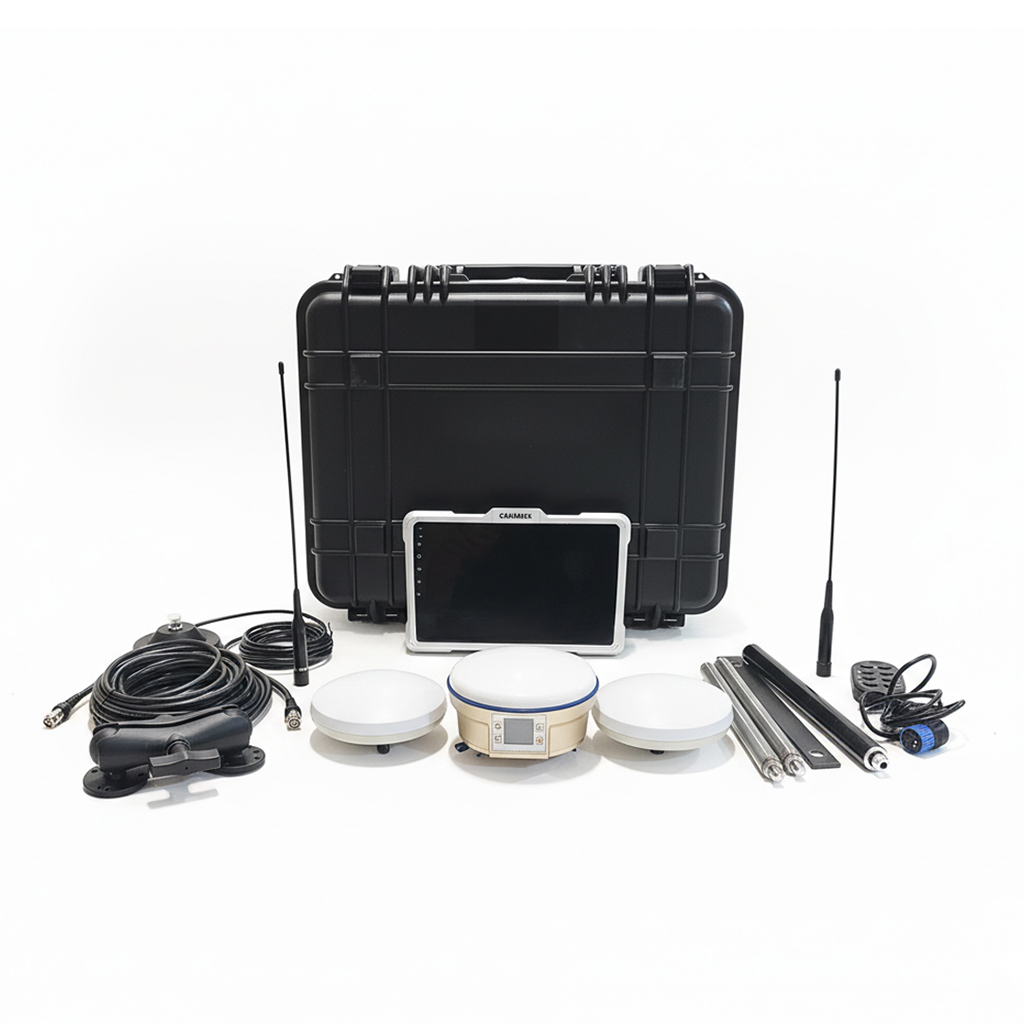
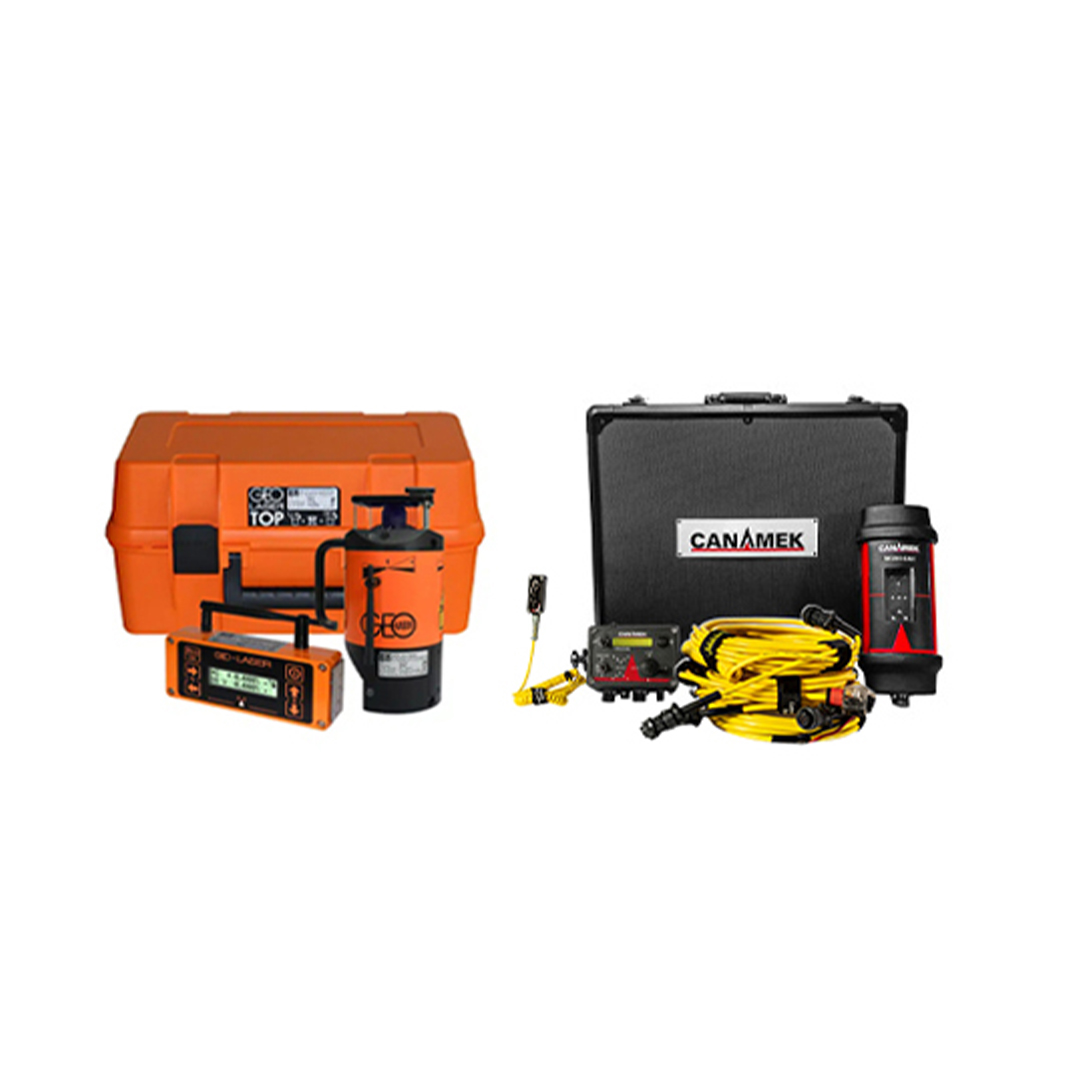
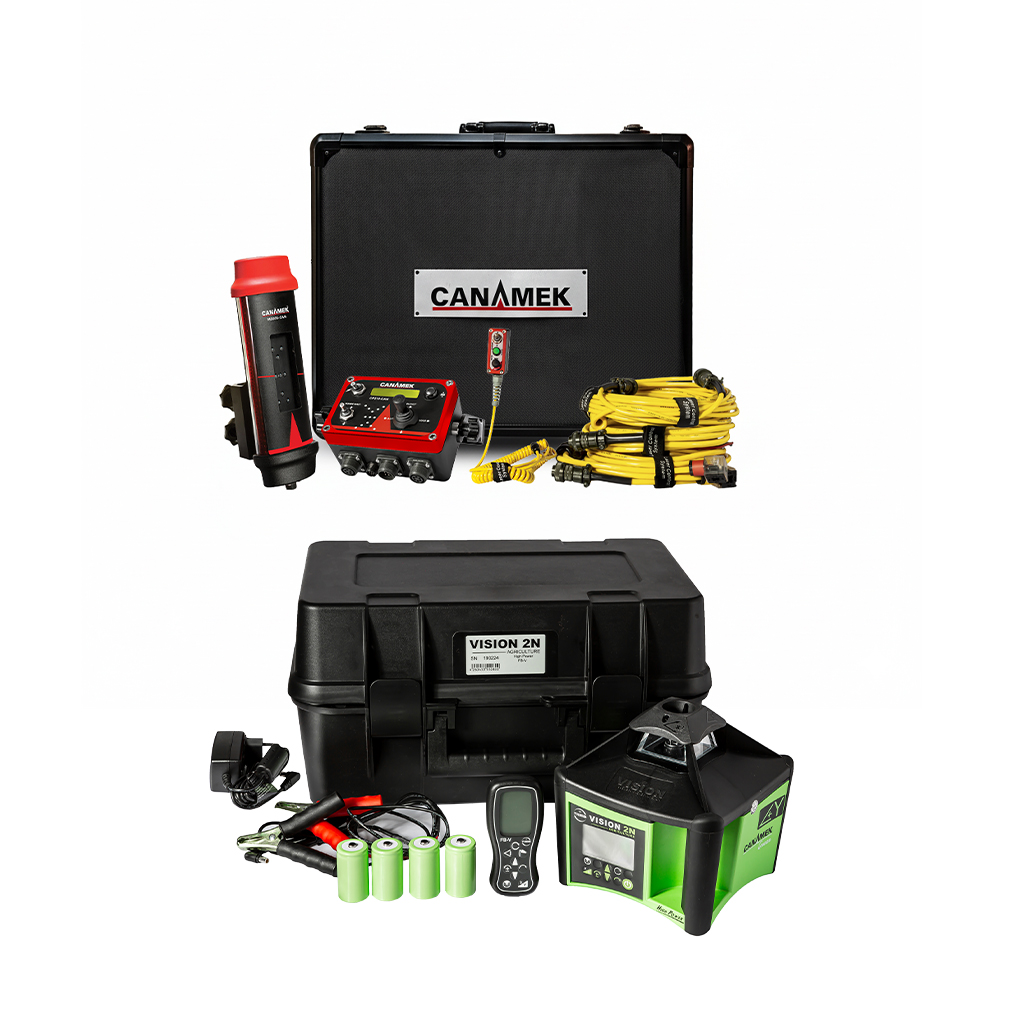
Rassam GPS provides laser and satellite-based smart land leveling control systems designed to improve the accuracy of agricultural land preparation and leveling operations.
By accurately controlling the height and slope of the land leveler blade, these systems help operators perform cutting and filling operations with fewer errors and unnecessary machinery passes.
Smart leveling control systems can improve field preparation quality while helping operators manage working time, reduce machinery wear, and optimize fuel consumption.
Combining suitable equipment, precise positioning technologies, and technical expertise creates new opportunities for more efficient and sustainable precision agriculture.
Conclusion
Proper land leveling is more than just a soil preparation operation. It is an effective investment in managing operating costs and improving agricultural machinery efficiency.
Uneven fields can increase tractor operating hours, repeated machinery passes, and fuel consumption. In contrast, laser and satellite-based smart leveling control systems accurately adjust blade height and slope, helping reduce unnecessary operations and improve resource management.
By adopting modern land leveling technologies, farmers can take an important step toward reducing fuel expenses, extending equipment service life, and developing more efficient precision agriculture practices.